Reese Chang
CNC Programmer & Machinist — Fusion 360 CAM, 3-axis and 4th axis
Reese CNC Machine Shop LLC · Decatur, GA
Production machinist and Fusion 360 CAM programmer. 1.75 years running a Haas VF-3SS in a production job shop — 3-axis CAM mastered, plus 4th-axis indexing (3+1) and simultaneous 4th-axis machining.
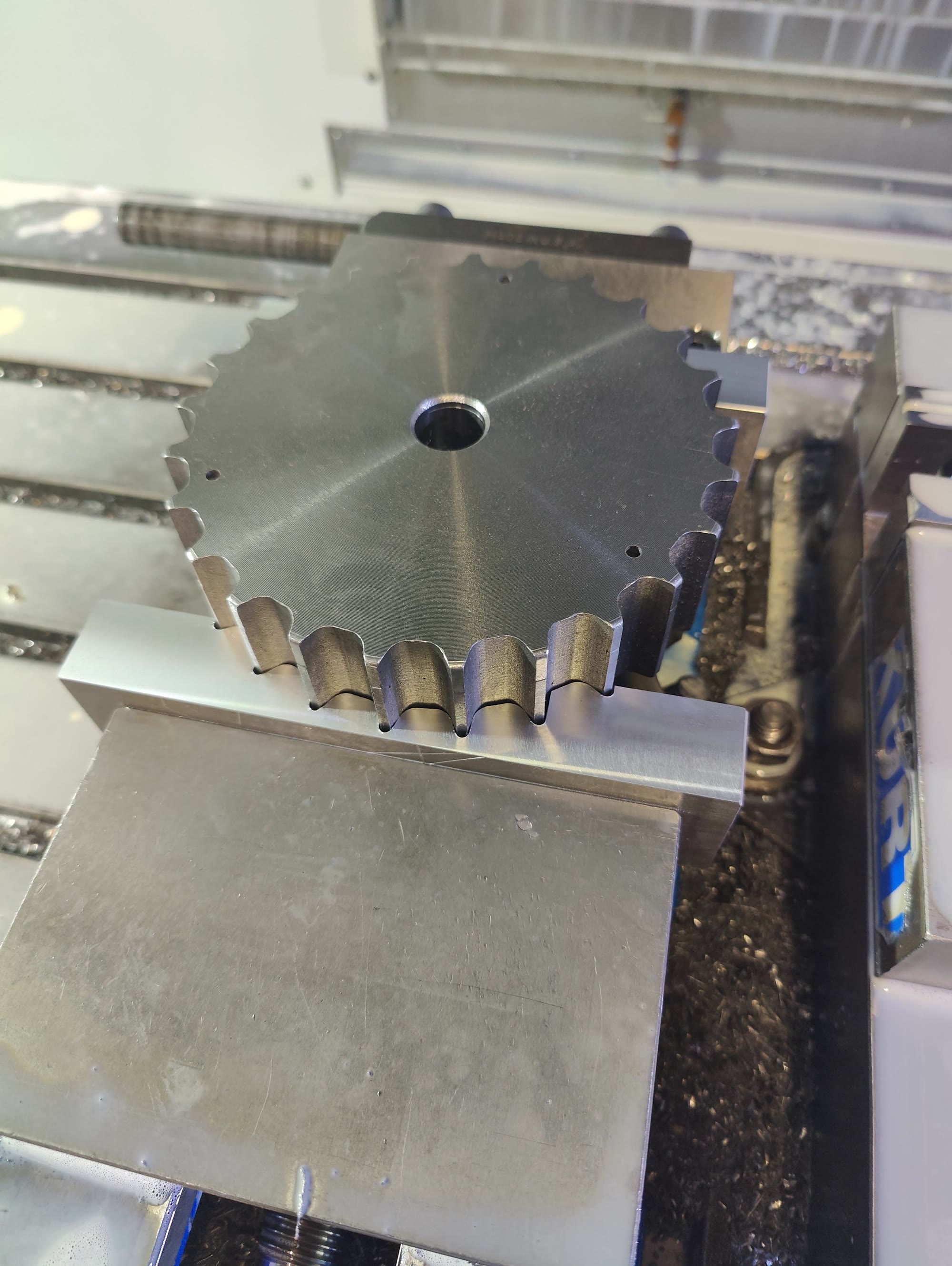
Everything below is real production work I programmed and ran — 6061 aluminum, 316/304/303 stainless, cast iron, tool steels and plastics. Not sample parts, not simulations.
Four years of Fusion 360 CAD came before the shop; running my own shop and writing my own CAM engine came after. The machining is the part worth your time, so it leads.
Click any thumbnail to play · videos have sound · click any photo to enlarge
Printed copy: each clip below is shown as a still frame. The moving footage (19 clips, with sound) is in the digital version of this portfolio.
Haas VF-3SS
4th axis
alu · stainless · iron · plastics
of real production work
Selected Work — start here if you only watch three
The three clips that best show how I program: multi-axis roughing strategy, in-program probing with post-processor sequencing, and aggressive but controlled material removal.
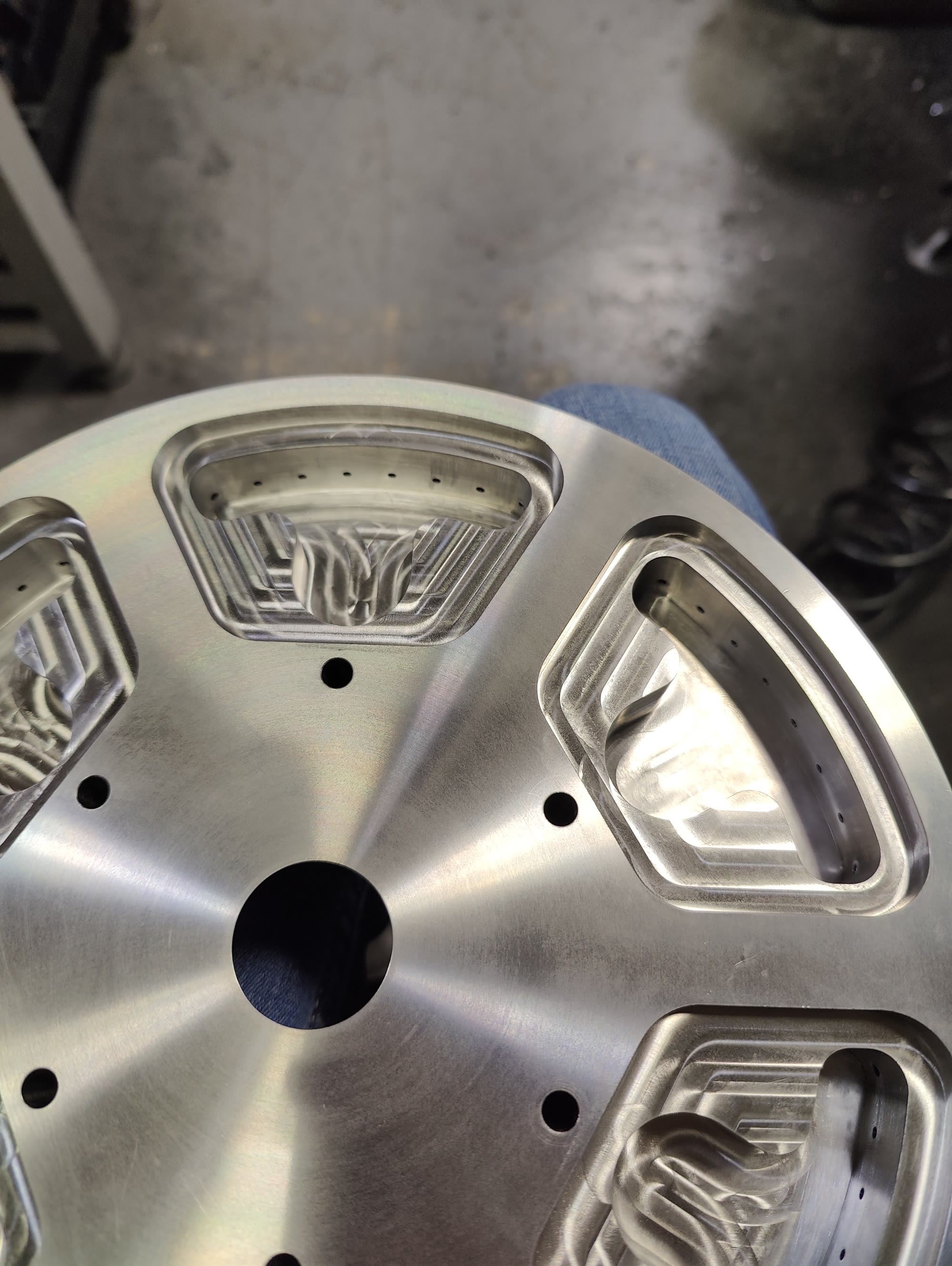
4th-Axis & Multi-Axis Machining — indexing, simultaneous, 3D surfacing
Indexed (3+1) and simultaneous 4th-axis work on large parts: roughing strategy, 3D surfacing passes, and reaching multiple faces in one setup.
Probing, Post-Processing & Process Optimization — the unglamorous work that makes jobs repeatable
Where I spend the most programming effort: cutting setup time with in-program probing, reordering operations at the post-processor level, and fixing processes that were fighting the operator.
The tool change, rewritten
Same machine, same tool change. The stock sequence runs seven moves one after another. Mine overlaps everything that does not depend on the move before it, and lands in three. That difference is paid on every single tool change, in every cycle, for the life of the program.
Stock sequence 7 moves
- Z axis up
- Spindle off
- Tool change
- Spindle on
- Reposition X
- Reposition Y
- Reposition Z
My sequence 3 moves
- Z axis up + Spindle off + Carousel pot down all at the same time
- Tool change
- Spindle on + Reposition X, Y and Z all at the same time
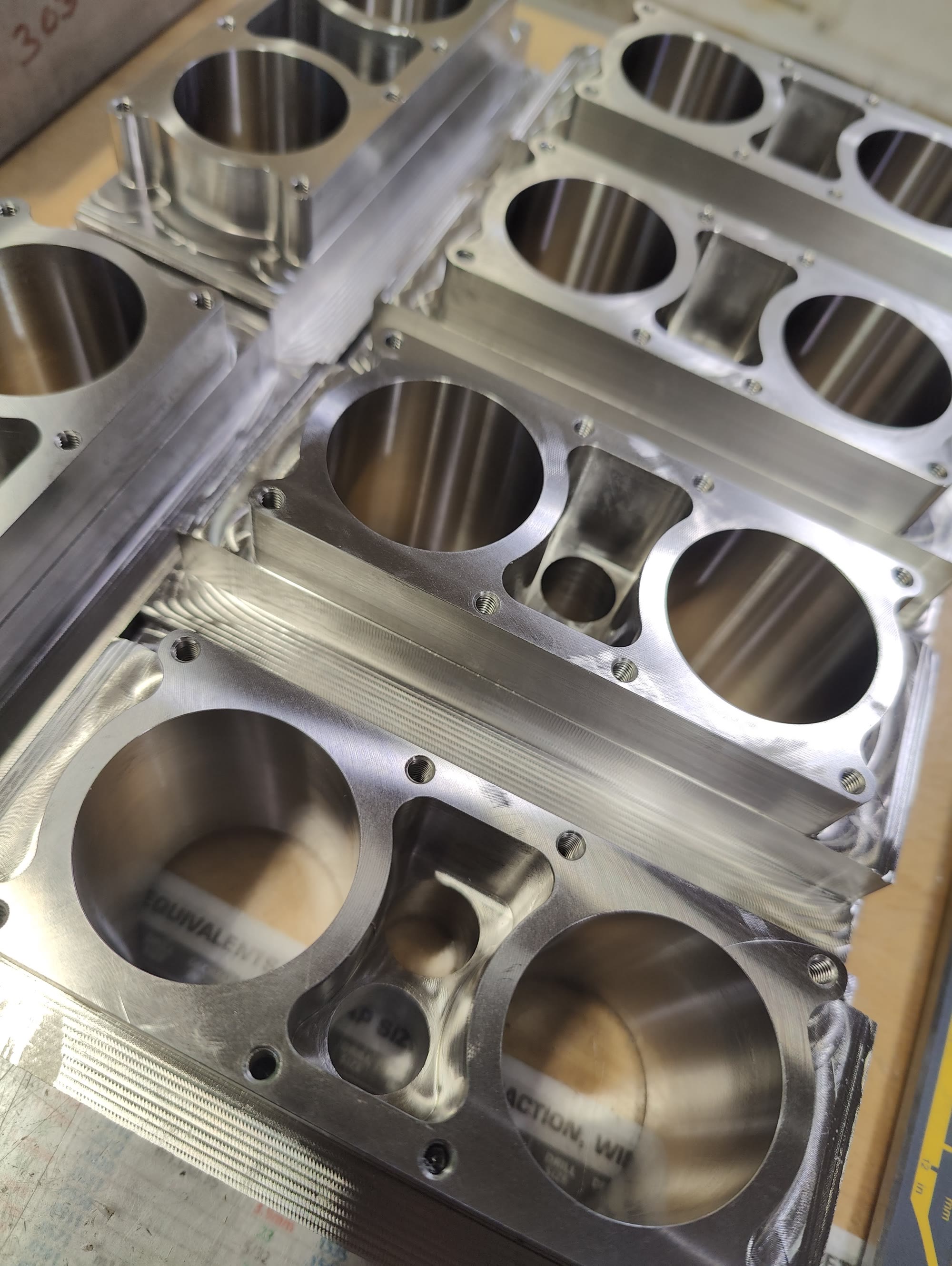
Multi-Sided & Batch Production — 50-piece runs, multi-part fixtures, op1/op2
Production quantities, where the programming decision is how many parts fit per cycle and how the second op locates off the first.
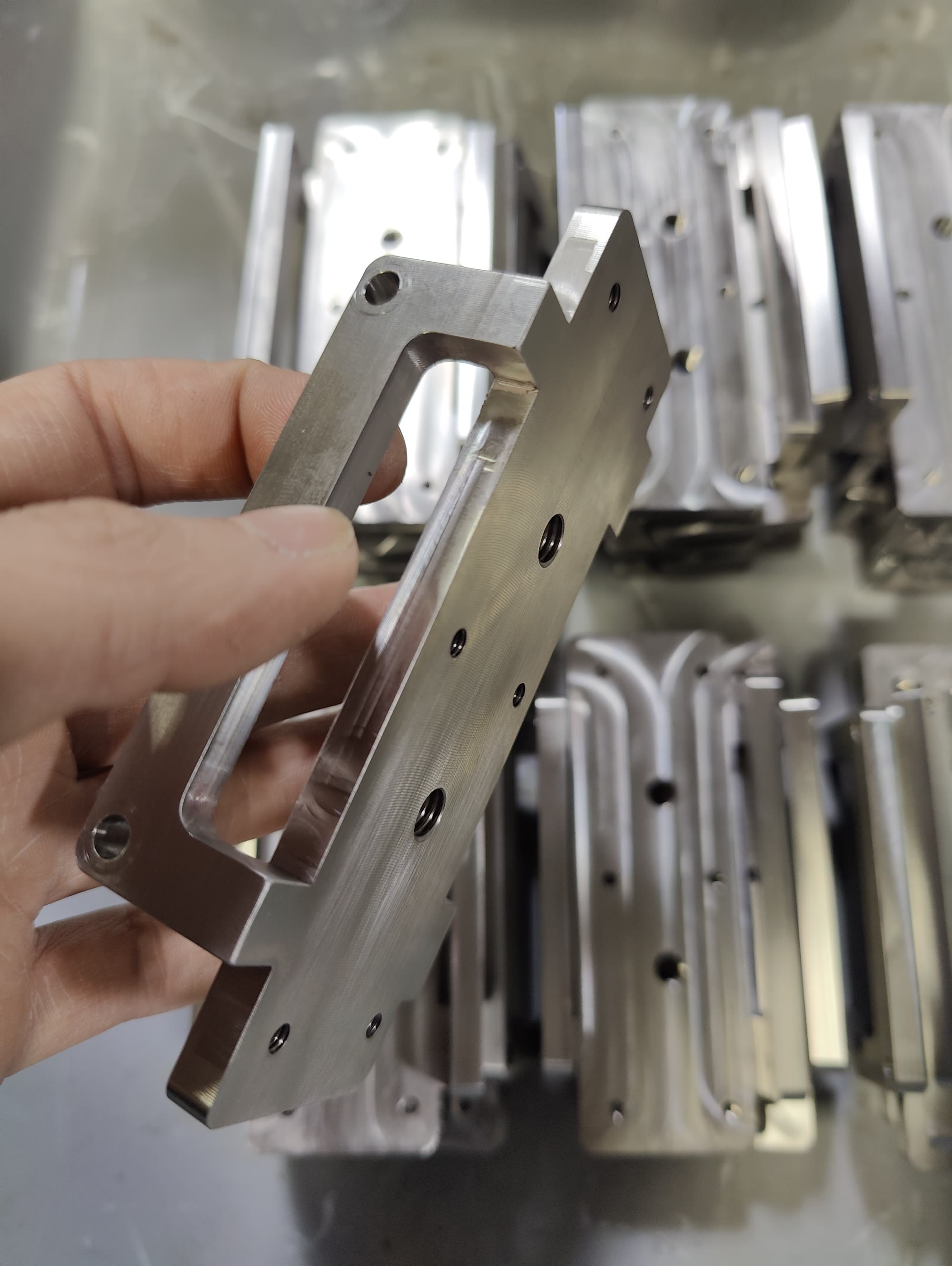
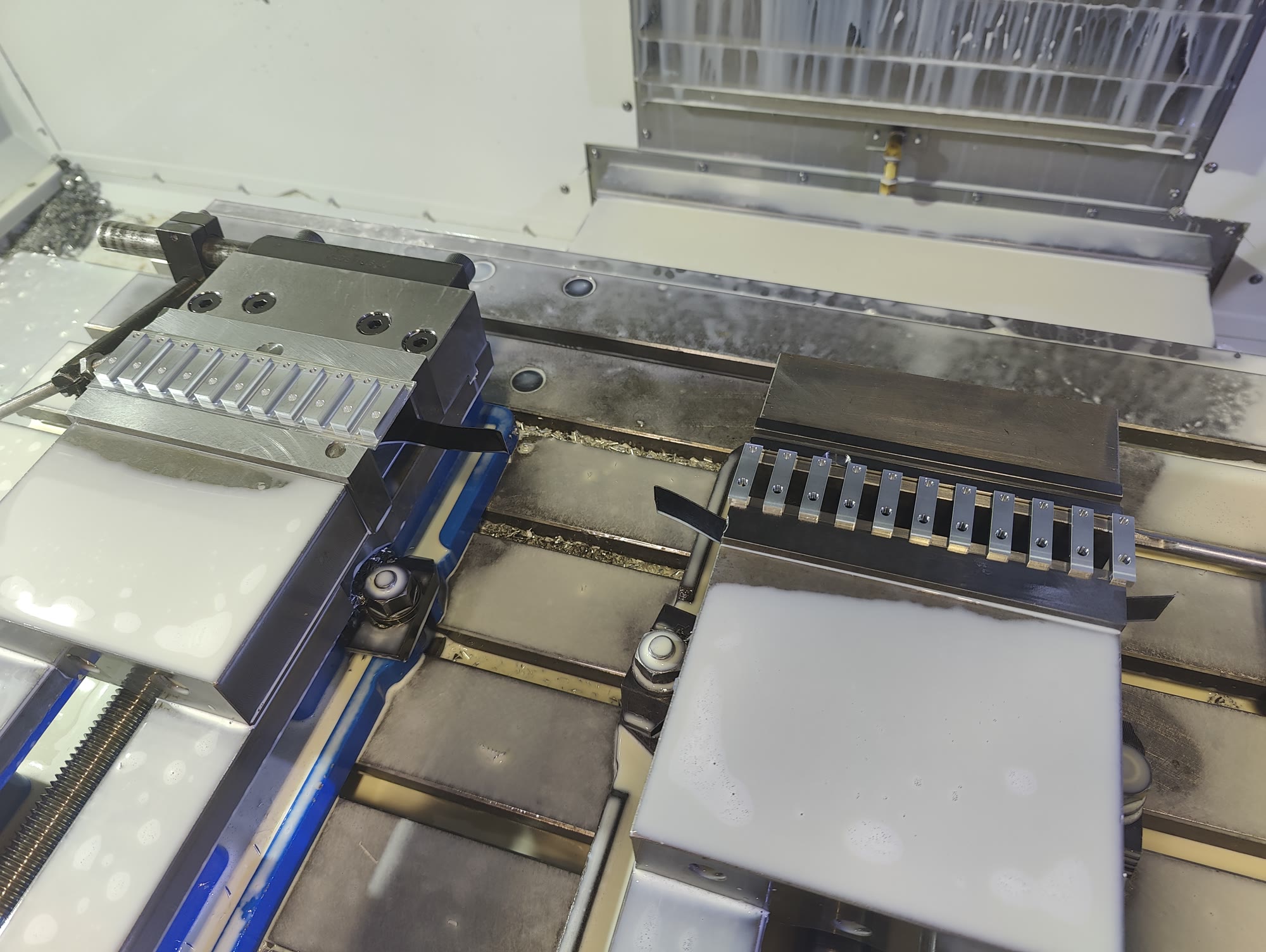
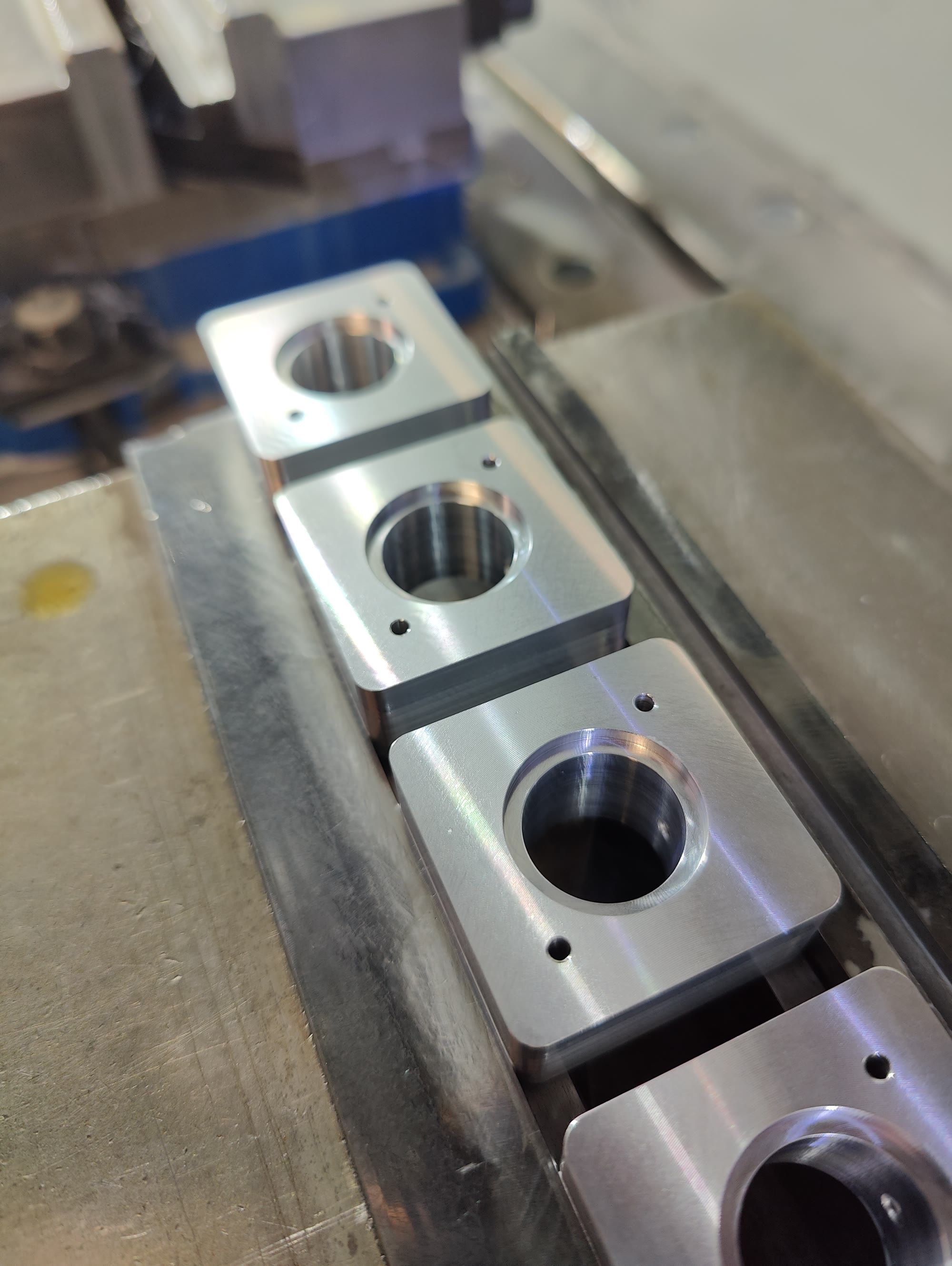
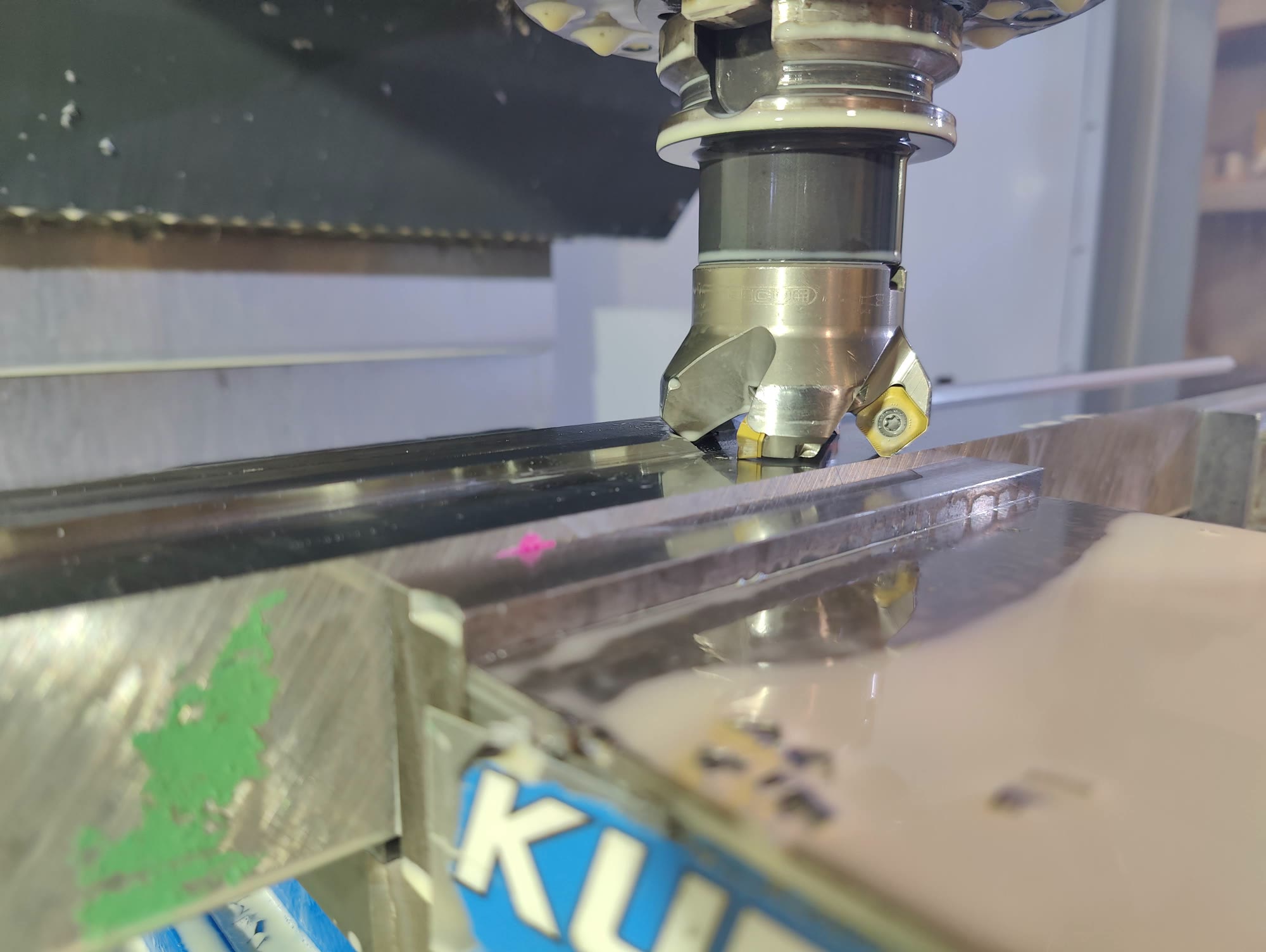
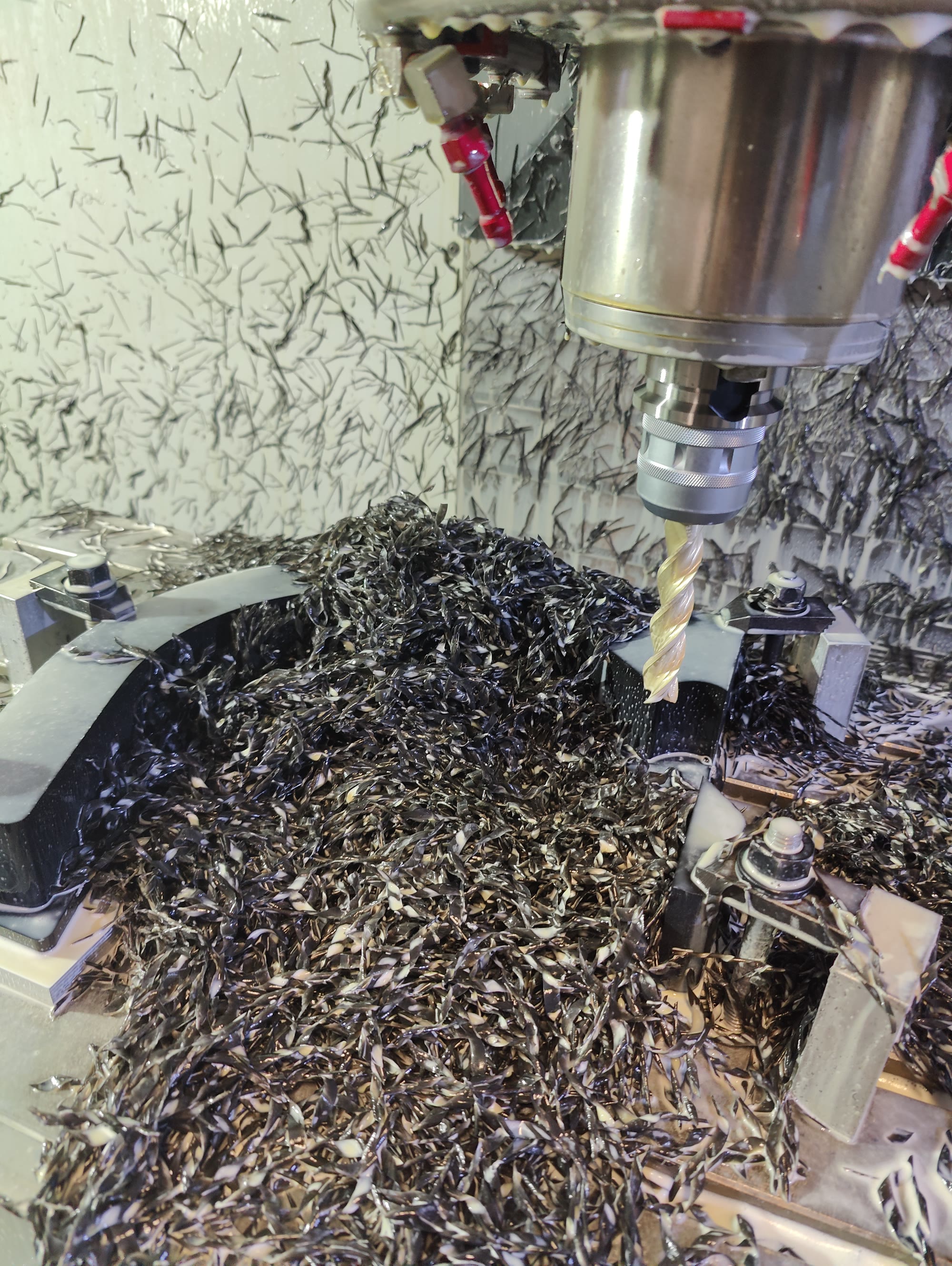
Heavy Cutting & Material Removal — face milling, high-MRR roughing, large-hole drilling
Pushing the machine as hard as the setup allows. In stainless that means managing heat and work hardening; in aluminum it means finding the limit before chatter.
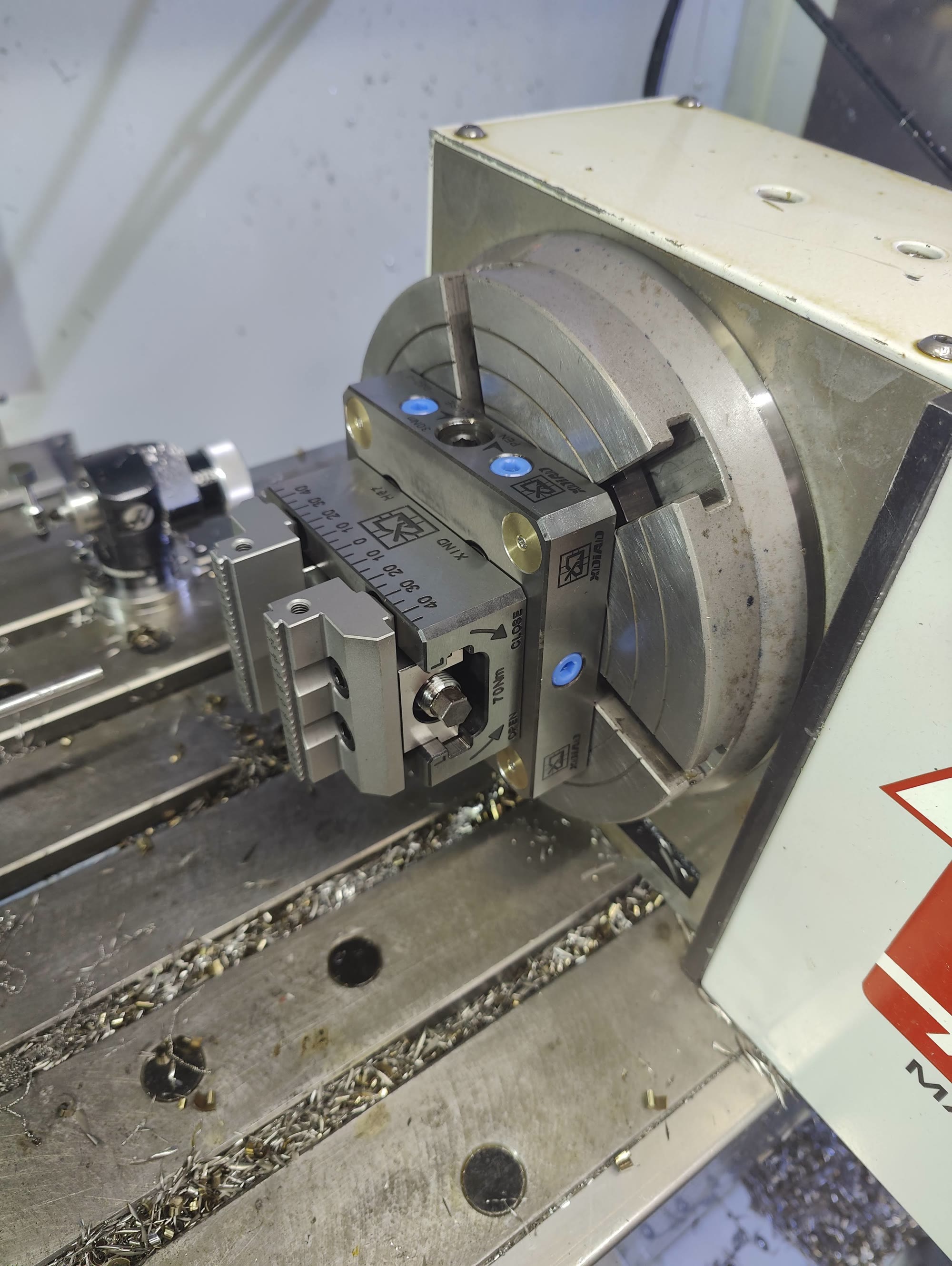
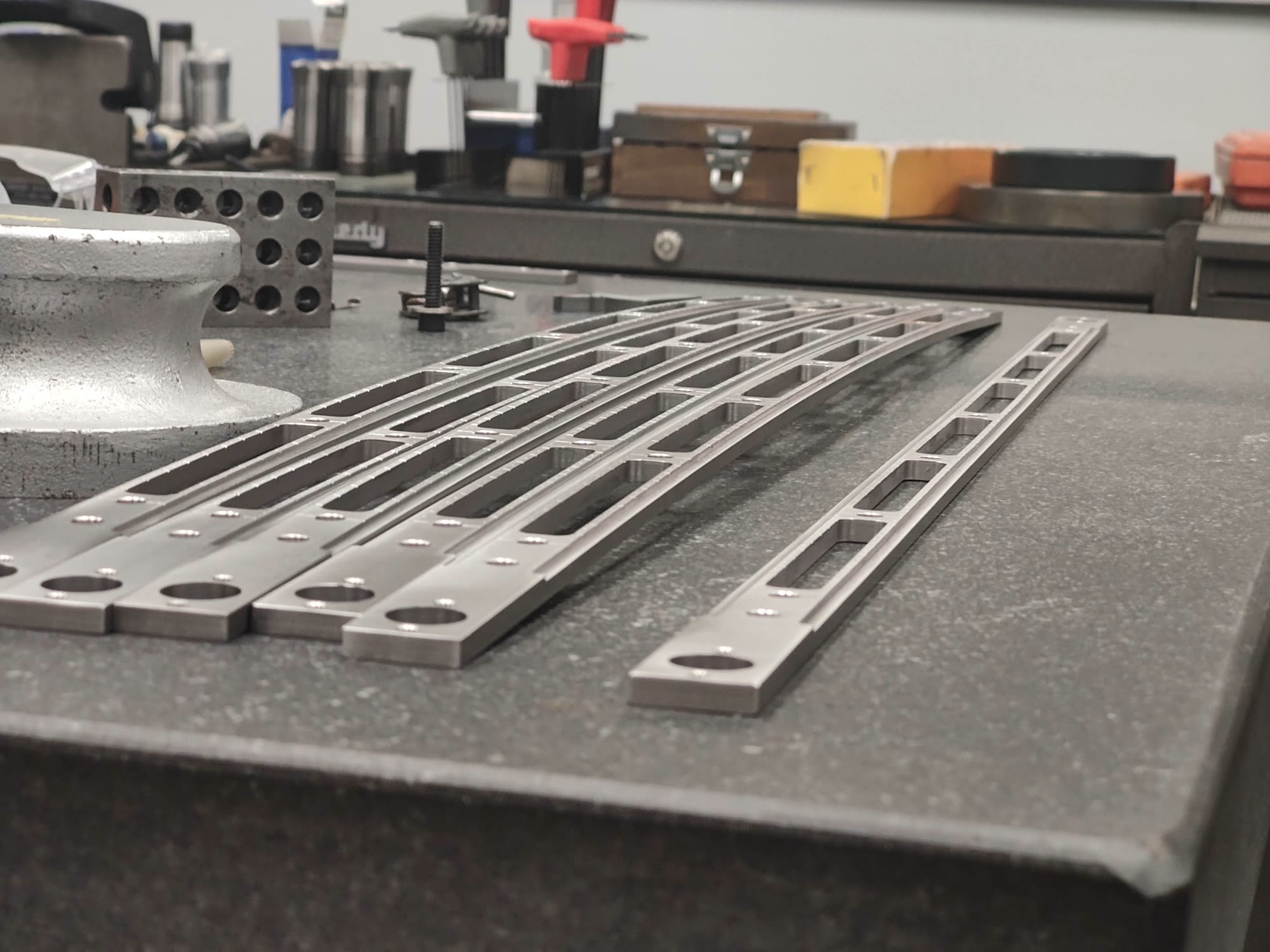
Workholding & Fixturing — tabs, zero-point, and parts that don't want to be held
Most of the hard problems in a job shop are holding problems. These are the setups I built when the obvious method didn't work.
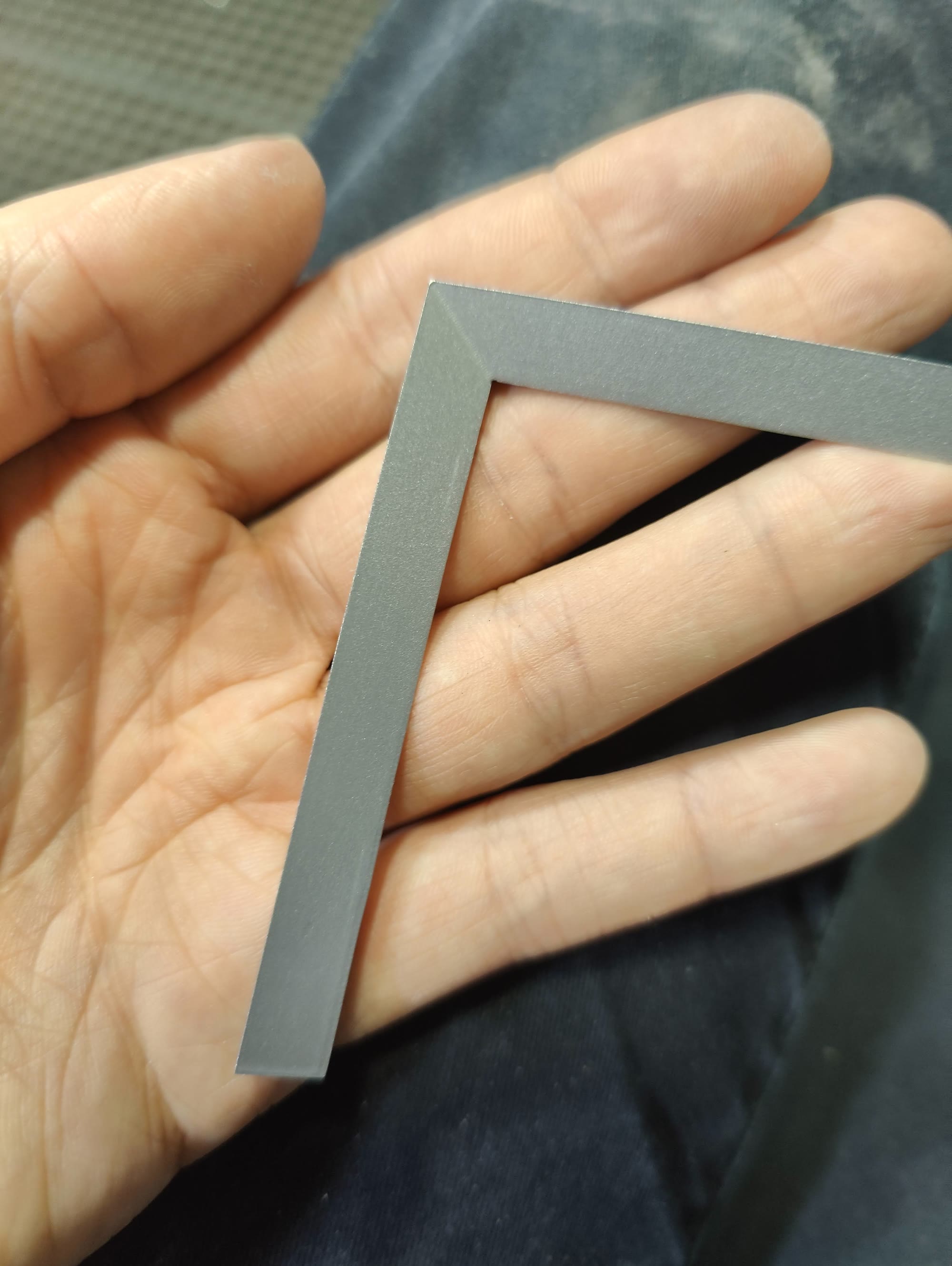
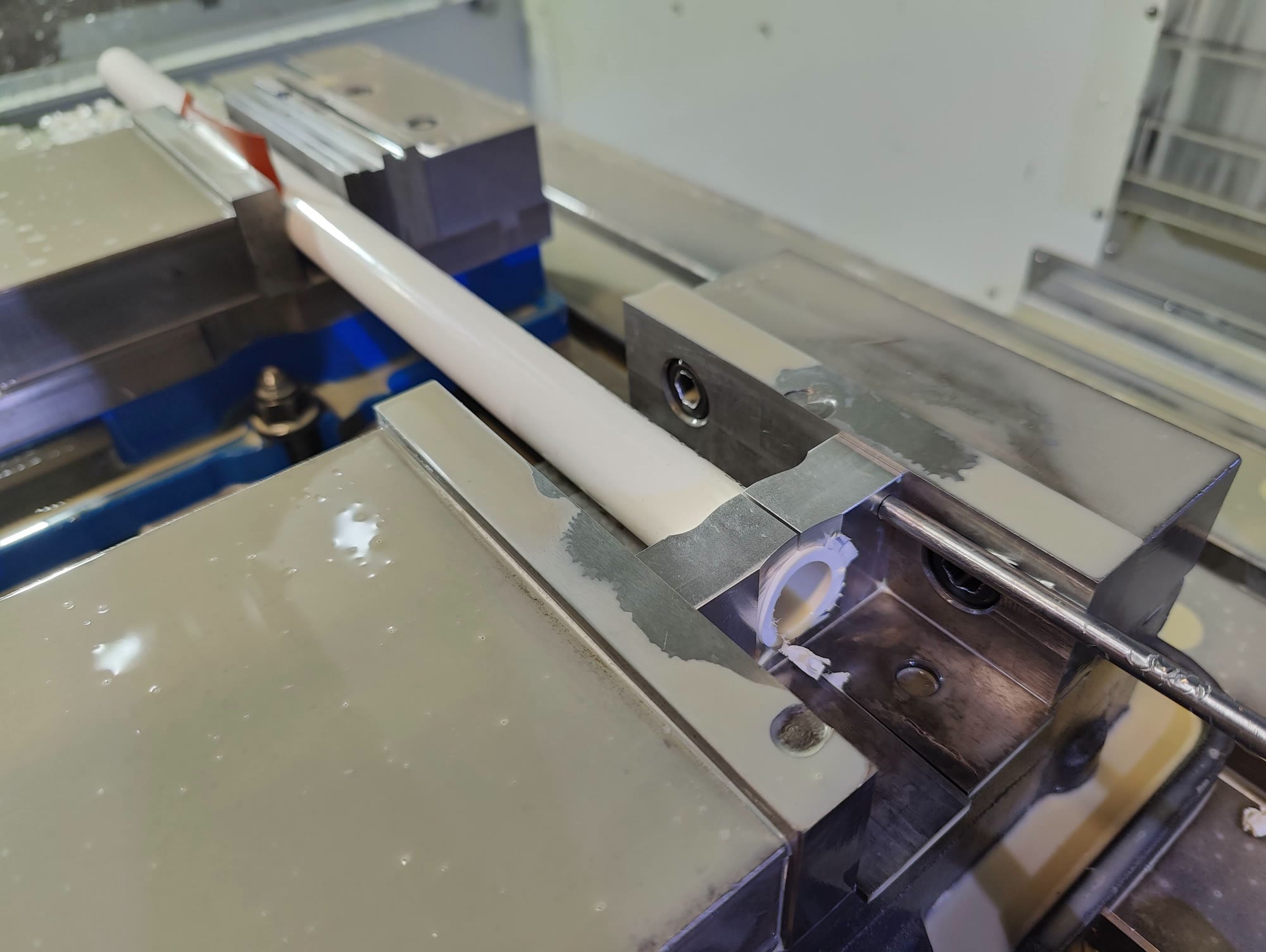
Materials & Finish Quality — cast iron, plastics, stainless, small parts
The same programmer across very different materials. Each one wants a different chip, a different coolant approach, and a different definition of a good finish.
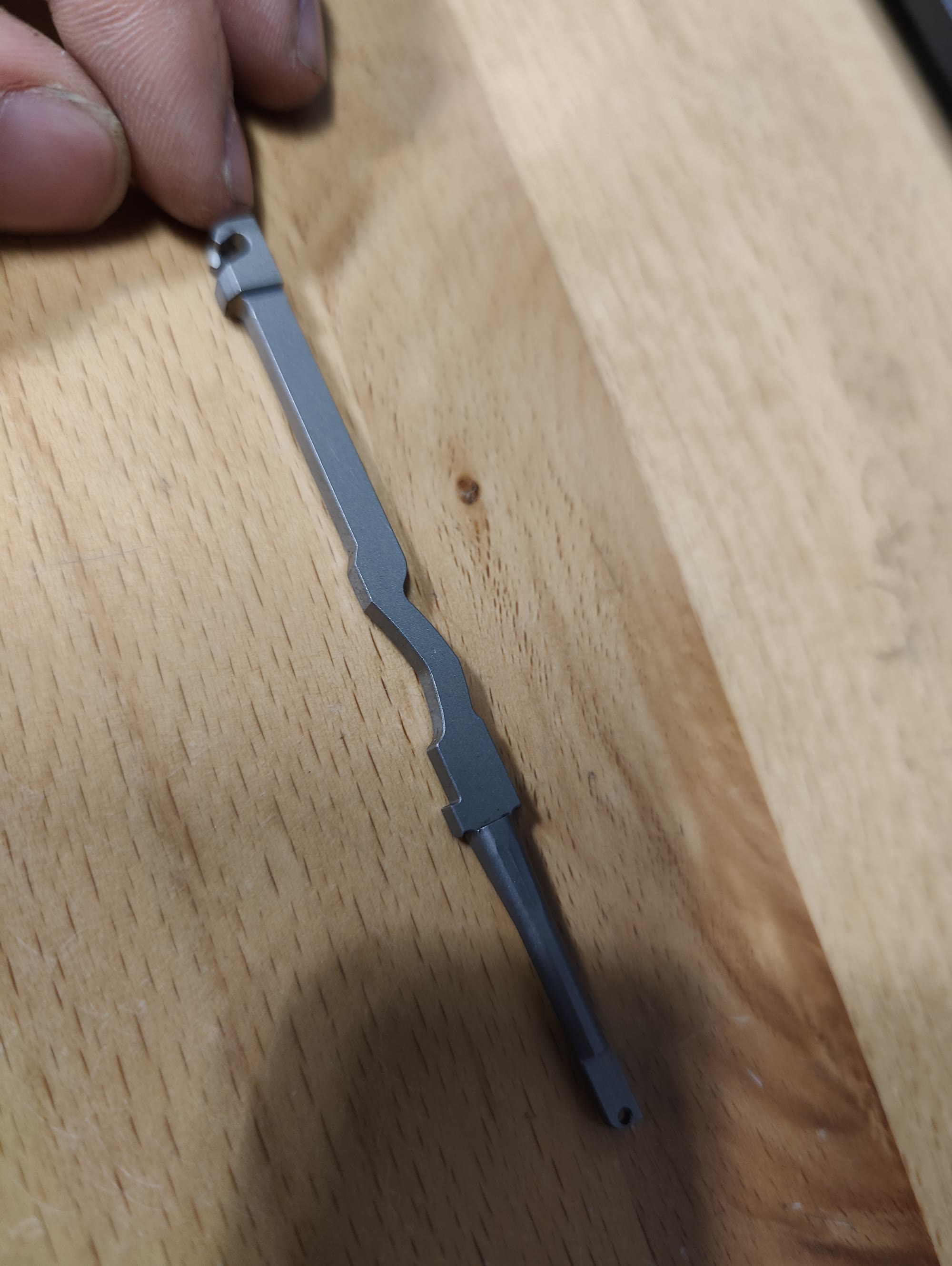
Fusion 360 CAM
3-axis mastered; 4th-axis indexing (3+1) and simultaneous machining. Adaptive clearing, contour, pocketing, drilling and 3D surfacing, with feeds and speeds tuned per material rather than left at library defaults.
I also work below the CAM tree — post-processor sequencing changes and in-program probing routines — which is usually where the real cycle time and the real reliability come from.
3-axis CAM
Adaptive clearing, 2D/3D contour, pocketing, drilling and tapping cycles, 3D surfacing and finishing.
4th axis
Indexed (3+1) multi-face work and simultaneous rotary machining, including surfacing on rotary-held parts.
Probing
In-program probing routines to establish offsets and cut setup time, including probing against a rotary centerline.
Post-processor work
Sequencing optimization at the post level so the output program runs in the order the machine wants.
Workholding design
Tabbed stock, zero-point fixturing, multi-part fixtures, and improvised solutions when standard workholding won't reach.
Process improvement
Finding the operation that's costing time or breaking tools, and changing the process instead of pushing harder.
Moving to 5-Axis & Automated Cells — what transfers, and what doesn't
Worth being straight about, because it's the first thing anyone sensible will ask.
The control transfers
I spent 1.75 years on a Haas VF-3SS. Offsets, work and tool coordinate systems, macro variables, probing cycles, and the habits around setup and edit-at-the-machine are the same family — I'm not learning a control from zero.
The strategy mostly transfers
Indexed 3+1 work is the same thinking as 5-axis positioning: orient the part, cut in three axes, own the tool-length and clearance problem at every orientation. Simultaneous 4th-axis work is the honest start on simultaneous motion.
Automation is a programming problem
A pallet changer only pays off if the program doesn't need a person. That's exactly the probing, post-processor sequencing and repeatable workholding on this page — the work that makes a cycle survive unattended.
What I haven't done
I have not run simultaneous 5-axis in production, and I won't pretend otherwise. Tool-axis control, collision avoidance through full rotary travel, and TCPC behaviour on a real post are the gap — and they're a study problem, not a talent problem.
The straightforward way to test this: send me a sample model and I'll program it and send back the toolpaths, the posted code and a setup sheet — free, no commitment. That's a faster read on whether I'm useful to you than anything I could write here.
Customer models, drawings and program files stay confidential and are never used outside the work they were sent for.
Experience
| Role | Where | What |
|---|---|---|
| Machinist / CAM Programmer | Arbiser Machine Production job shop |
Ran a Haas VF-3SS for 1.75 years. Programmed and ran production parts across aluminum, stainless, cast iron, tool steels and plastics — 3-axis and 4th axis, including probing and post-processor work. |
| Robotics — BEST competition | Fernbank LINKS | Machined rack & pinion and wheels on a CNC mill; C++ controls work. |
Earlier Projects — CAD & robotics before the shop
Four years of daily Fusion 360 CAD — 36 projects, 35 with interactive A360 models — and two competition robots. Personal design exercises from before the shop, shown for the modelling and mechanism work: they're why I read a model the way its designer intended, and why I catch the features that'll be a problem to hold before the job reaches the machine.
Past projects, not services — the shop's work is the CAM programming above.
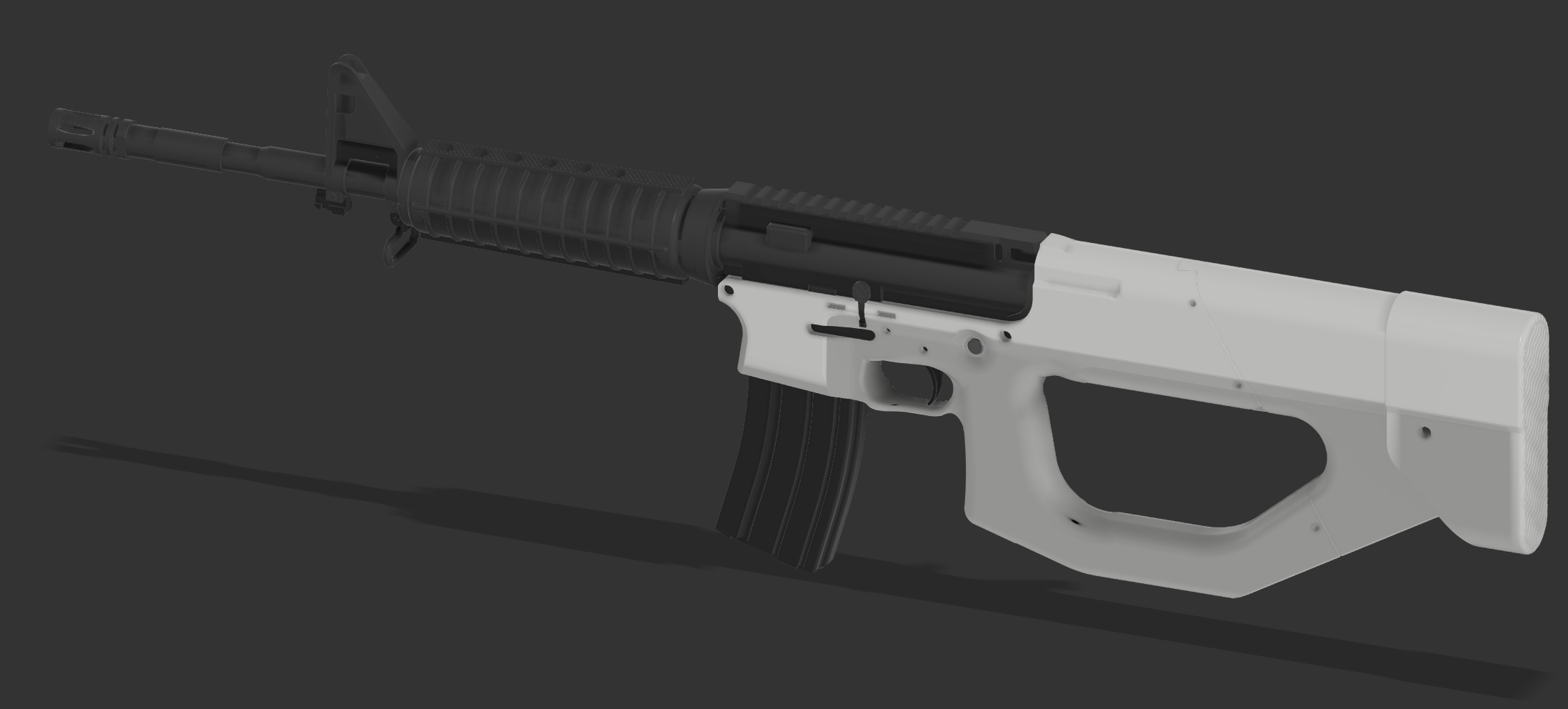
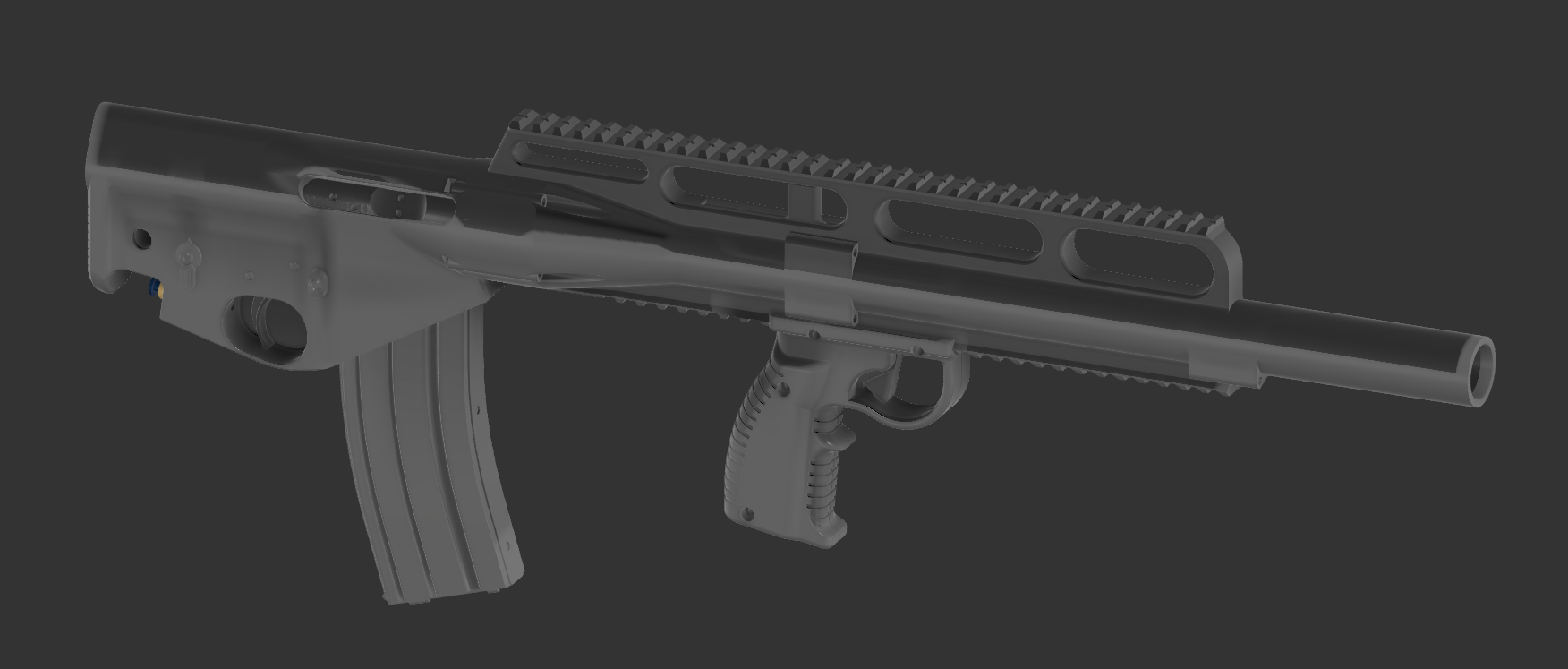
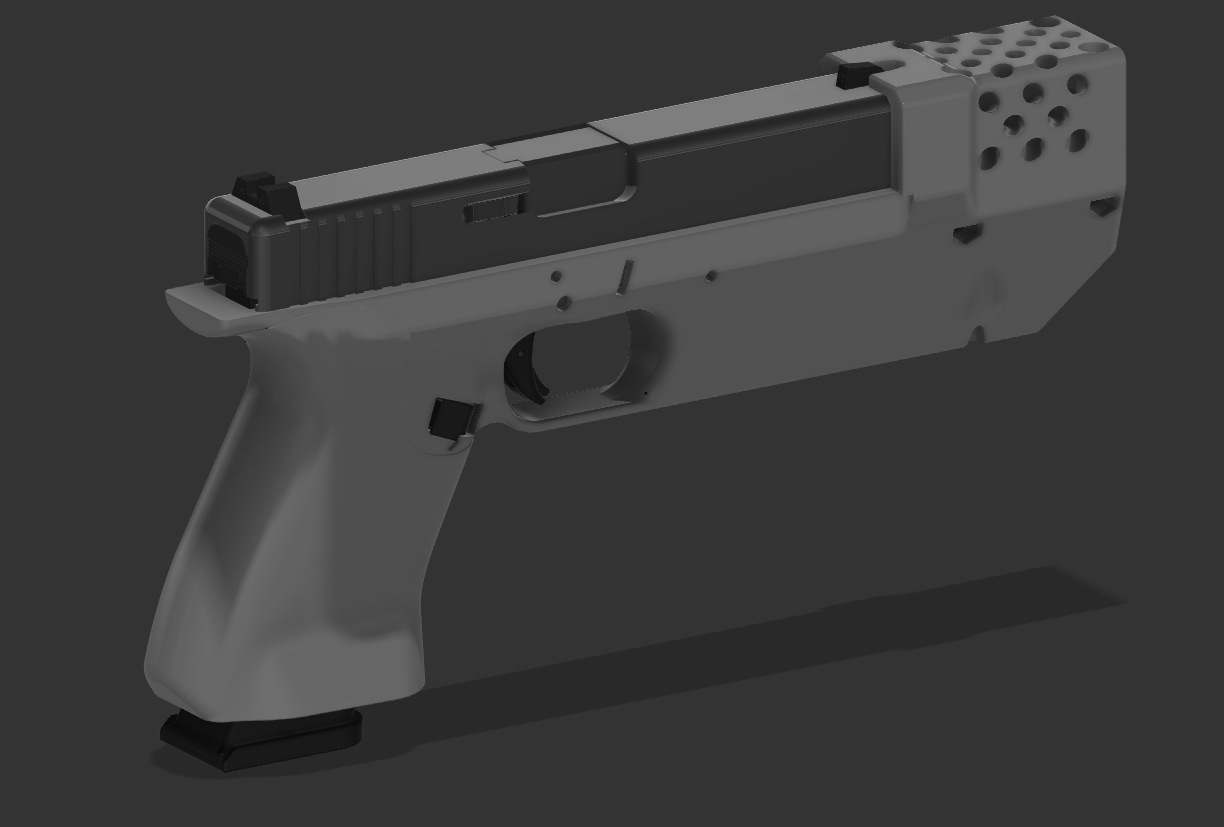
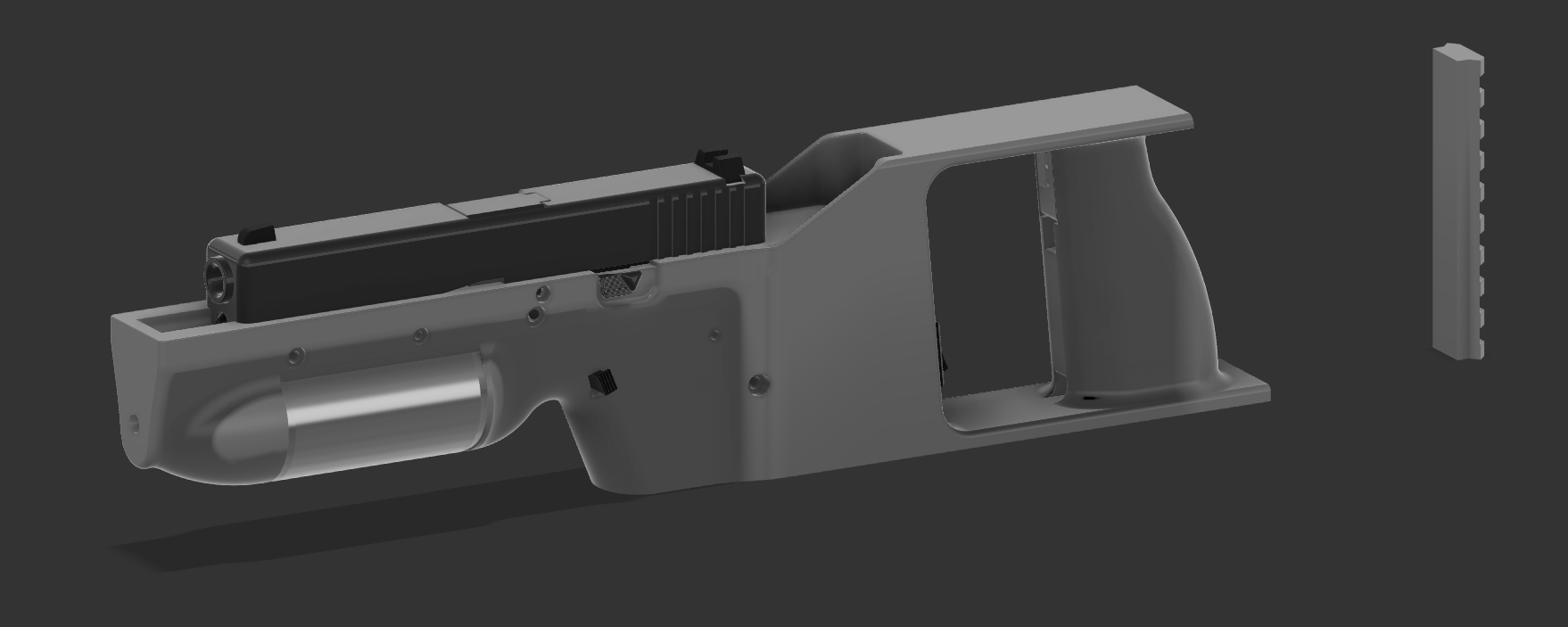
Also: the Fernbank LINKS BEST-competition robot and an MTRE 1000 mechatronics robot — rack & pinion and wheels machined on a CNC mill, controls written in C++.
Now — the shop and the software
Founded Reese CNC Machine Shop LLC (Decatur, GA), and building the tooling that most programmers only use.
Reese CNC Machine Shop LLC
Single-member LLC in Decatur, GA — a machine shop organized around CAM programming as the core service.
Custom CAM software
Building my own CAM engine — toolpath generation, simulation and G-code output — in Python. Knowing CAM below the interface is what lets me push a stock install further than most.
Nesting engine
Writing a CNC nesting algorithm to maximize sheet utilization — the same optimization mindset I apply to cycle time and tool life.